


Table of Contents
Dengue Symptoms in Bangalore
Early Signs You Should Never Ignore
With Bangalore’s tropical climate, waterlogging, and dense population zones like Whitefield, HSR Layout, and Electronic City, dengue outbreaks are a seasonal reality. Learn to identify dengue symptoms in Bangalore before they escalate.
This comprehensive guide covers dengue symptoms in Bangalore — from early warning signs to critical danger signals, stage-wise progression, local outbreak zones, and when to seek emergency care. Updated for 2024–25 monsoon season.
Why Dengue Is a Growing Threat in Bangalore
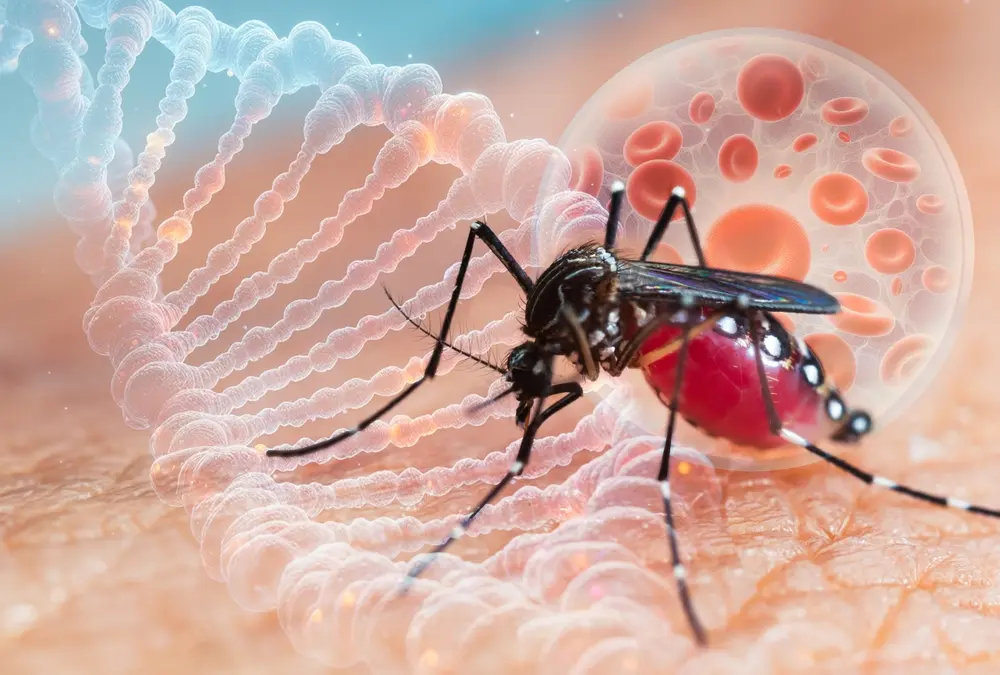
Bangalore, often celebrated as India’s Silicon Valley, is also a city where monsoon rains, construction debris, and rapid urban expansion create the perfect breeding ground for the Aedes aegypti mosquito — the primary carrier of the dengue virus. Recognising dengue symptoms in Bangalore early is not just a health precaution — it is a matter of life safety.
Each year, between June and November, healthcare facilities across Jayanagar, Koramangala, Marathahalli, Hebbal, and other localities witness a significant surge in dengue cases. The city’s BBMP health data consistently places dengue among the top vector-borne diseases requiring urgent clinical attention. Understanding dengue symptoms in Bangalore helps residents seek timely medical help and avoid complications that can be life-threatening.
What Is Dengue Fever? A Quick Overview

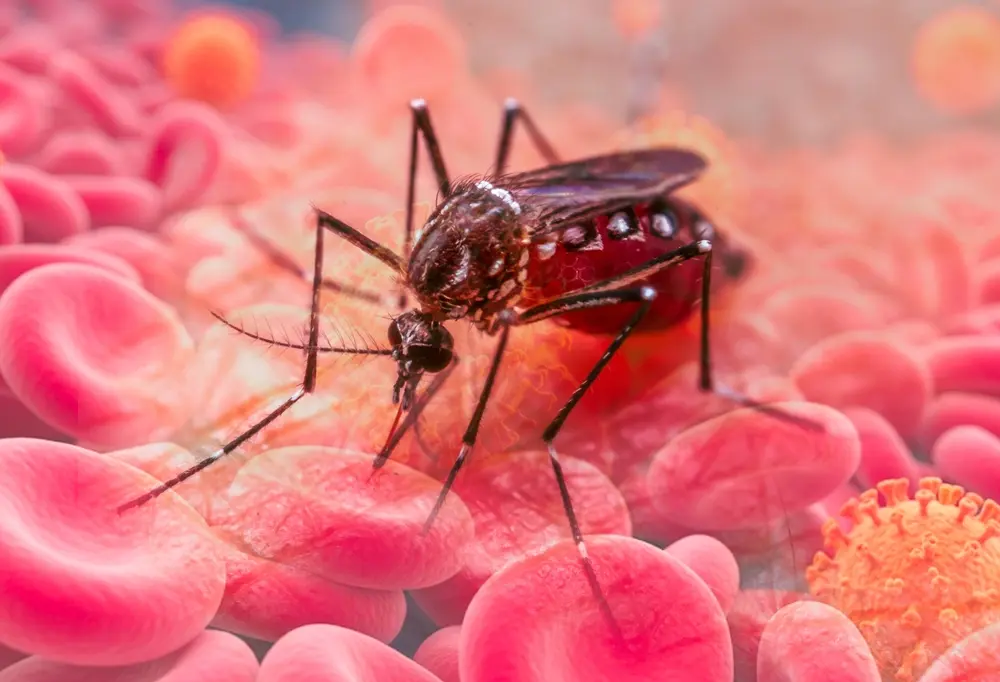
Dengue fever is a mosquito-borne viral illness caused by one of four dengue virus serotypes (DENV-1 through DENV-4). It spreads when an infected Aedes aegypti mosquito bites a healthy person. Unlike malaria mosquitoes, the Aedes mosquito is a daytime biter — most active at dawn and dusk — making outdoor exposure in Bangalore neighbourhoods particularly risky.
The incubation period is 4 to 10 days from the bite, meaning dengue symptoms in Bangalore patients often appear days after actual exposure — complicating early identification. This is why awareness of the full symptom spectrum matters immensely.
Early Dengue Symptoms in Bangalore — Signs That Appear First
The initial phase of dengue is called the febrile phase, typically lasting 2 to 7 days. During this period, dengue symptoms in Bangalore patients present with sudden onset, often mistaken for common flu or viral fever — especially dangerous during cold or rainy season when fevers are common.
Most people confuse early dengue symptoms in Bangalore with common viral fever, especially during the monsoon. Never self-medicate with ibuprofen or aspirin — these can dangerously lower platelet count. Always consult a doctor within 24 hours of a fever above 102°F.
Stage-by-Stage Progression of Dengue Symptoms in Bangalore
Dengue moves through three clinical phases. Being aware of how dengue symptoms in Bangalore progress across these stages can be the difference between recovery and a medical emergency.
| Stage | Duration | Key Symptoms | Risk Level |
|---|---|---|---|
| Febrile Phase | Day 1–3 | High fever, headache, body ache, rash | Moderate |
| Critical Phase | Day 4–5 | Fever may drop, platelet count falls sharply | High |
| Recovery Phase | Day 6–7+ | Fluid reabsorption, itchy rash, slow recovery | Low |
The critical phase is the most deceptive — many patients feel their fever has broken and assume they are recovering. In reality, this is when dengue haemorrhagic fever or dengue shock syndrome can develop, causing plasma leakage and internal bleeding. Dengue symptoms in Bangalore patients should remain under medical observation through this entire window.
Danger Signs — When to Go to Emergency Immediately
Recognising warning signs of severe dengue symptoms in Bangalore can prevent fatalities. Rush to the nearest hospital immediately if any of the following appear:
Persistent vomiting · Blood in stool, urine, or vomit · Severe abdominal pain · Rapid breathing · Bleeding gums or nose · Cold, clammy skin · Confusion or restlessness · Inability to keep fluids down · Platelet count below 50,000
These are signs of severe dengue (formerly dengue haemorrhagic fever). Hospitals in areas like Rajajinagar, Yelahanka, Indiranagar, and Bannerghatta Road are equipped with dengue ICU facilities. Do not delay.
How to Distinguish Dengue Symptoms in Bangalore from Other Fevers
Bangalore’s health landscape includes malaria, typhoid, chikungunya, and COVID-19 — all of which share overlapping symptoms. Here is a quick comparison to help you differentiate dengue symptoms in Bangalore from other common illnesses:
| Feature | Dengue | Malaria | Chikungunya | Typhoid |
|---|---|---|---|---|
| Fever pattern | Sudden, high | Cyclic chills | Sudden | Stepladder rise |
| Rash | Yes (day 3–4) | Rare | Yes | Rare |
| Joint pain | Moderate | Rare | Severe | Rare |
| Platelet drop | Yes | Sometimes | Rarely | Rarely |
| Bleeding risk | Yes | No | No | No |
Only a certified NS1 antigen or IgM/IgG blood test can confirm dengue. If you notice dengue symptoms in Bangalore, visit a diagnostic centre within the first 5 days for accurate results — the NS1 test is most reliable in the febrile phase.
Dengue Hotspot Areas in Bangalore — Where to Stay Alert
Certain localities in Bangalore are historically prone to dengue outbreaks. Understanding where dengue symptoms in Bangalore are most frequently reported helps residents take extra precautions in high-risk zones.
Whitefield and Electronic City — With dense IT campuses, large apartment complexes, and ongoing metro construction, stagnant water accumulation is common. Residents here should monitor dengue symptoms in Bangalore — especially during July to October. Water sumps, cooler trays, and construction sites are prime mosquito habitats.
Koramangala, BTM Layout & HSR Layout — These high-density residential areas experience significant dengue cases annually. Low-income settlements, waterlogged roads, and poor drainage near commercial zones make these areas high-risk. Children and elderly residents showing dengue symptoms in Bangalore from these areas need priority monitoring.
Hebbal, Yelahanka & North Bangalore — Proximity to lake zones (Hebbal Lake, Yelahanka Lake) contributes to mosquito breeding. The peri-urban expansion of North Bangalore has increased human-mosquito contact. Residents should watch closely for dengue symptoms in Bangalore particularly post-monsoon.
Do’s and Don’ts When You Suspect Dengue Symptoms in Bangalore
✅ What You Should Do
- Drink at least 3–4 litres of fluids daily (ORS, coconut water, juices)
- Get a CBC and NS1 antigen blood test on day 1–2 of fever
- Use paracetamol ONLY for fever management under doctor guidance
- Rest completely and monitor symptoms daily
- Use mosquito nets, repellents, and full-sleeved clothing
- Inform BBMP health workers if dengue is confirmed in your area
❌ What You Must Avoid
- Never take aspirin, ibuprofen, or NSAIDs — they worsen bleeding risk
- Do not ignore a fever that does not respond to paracetamol
- Avoid self-diagnosis based only on symptoms
- Do not delay testing — platelet counts can drop rapidly
- Avoid crowded places where mosquito exposure is high
Special Risk Groups — Children and the Elderly in Bangalore
Among those showing dengue symptoms in Bangalore, children under 15 and adults over 60 are disproportionately affected. School-going children in areas like Indiranagar, Sadashivanagar, and Banaswadi are frequently exposed during school hours when daytime mosquito activity peaks.
In children, dengue symptoms in Bangalore often manifest as irritability, refusal to eat, abdominal pain, and rapid temperature fluctuations rather than the classic headache. Elderly patients may present with atypical symptoms that mask the underlying dengue infection — making early blood work critical in both groups.
Understanding Platelet Count During Dengue in Bangalore
Normal platelet count ranges from 1.5 to 4 lakh per microlitre. A hallmark of dengue symptoms in Bangalore patients is a progressive drop in platelet count. Hospitalisation is generally recommended when platelets fall below 50,000/µL, and platelet transfusion may be needed below 20,000/µL or with active bleeding.
Daily monitoring of platelet count through CBC (Complete Blood Count) tests is essential between Day 3 and Day 7 for anyone with confirmed or suspected dengue symptoms in Bangalore. Many diagnostic labs in Koramangala, MG Road, Jayanagar, and Indiranagar offer same-day CBC results.
Preventing Dengue Before Symptoms Appear in Bangalore
Prevention of dengue symptoms in Bangalore starts at home. Given that the Aedes mosquito breeds in clean, stagnant water, Bangaloreans must take these steps proactively:
- Empty and scrub water containers, flower pots, and overhead tanks weekly
- Use BTI (Bacillus thuringiensis israelensis) larvicide tablets in water storage where needed
- Install mosquito-proof mesh screens on windows and doors
- Participate in BBMP’s Sunday dry day campaigns — remove stagnant water sources
- Use WHO-approved repellents containing DEET, picaridin, or IR3535
- Sleep under insecticide-treated bed nets especially in areas like Bommanahalli and Bommasandra
Spotted Dengue Symptoms? Don’t Wait — Act Now.
Our experienced doctors across Whitefield, Koramangala, Jayanagar, Hebbal, and HSR Layout are ready to help you. Same-day appointments. Rapid dengue test. Expert care.
Find Dengue Testing Near Me — Bangalore Locations
Searching for “dengue symptoms near me” or “dengue test near me in Bangalore“? Our clinics and diagnostic partners are located across the city for your convenience. Click your area to find the nearest centre:
Related Health Resources — Bangalore
What to Expect During Recovery from Dengue in Bangalore
Recovery from confirmed dengue symptoms in Bangalore typically takes 7 to 14 days. Post-fever fatigue is common and may last weeks. During the recovery phase, an itchy rash called “convalescent rash” often appears — this is normal and not a worsening symptom.
Nutrition plays a critical role. Patients recovering from dengue symptoms in Bangalore should consume papaya leaf extract (under medical supervision), pomegranate juice, coconut water, high-protein soft foods, and adequate hydration. Avoid heavy meals, alcohol, and excessive physical activity during the recovery phase.





Leave a Reply