



Table of Contents
Top 7 Summer Diseases in Bangalore
Warning Signs You Should Never Ignore
A complete guide for Bangaloreans to stay protected during the scorching summer and early monsoon season.
Why Bangalore Is Vulnerable to Summer Diseases
As temperatures rise across Karnataka’s capital city, the risk of summer diseases in Bangalore increases significantly. Bangalore, despite its reputation as a cool “Garden City,” faces serious health challenges every year between March and June. From localities like Whitefield and Electronic City to Jayanagar, Rajajinagar, and Yelahanka, residents across every neighbourhood must stay vigilant. This article covers the top 7 summer diseases in Bangalore, their warning signs, causes, local risk factors, and effective prevention tips — all in one place.
Bangalore’s rapid urbanisation, dense population, fluctuating temperatures, and inconsistent water supply create ideal conditions for the spread of summer diseases in Bangalore. Areas like Hebbal, Marathahalli, BTM Layout, and Bannerghatta Road often report higher cases due to stagnant water, open drains, and heavy vehicular pollution. Understanding these local risk factors is the first step toward protection.
High-Risk Zones in and Around Bangalore
The following Bangalore localities and surrounding areas see a spike in summer illness cases due to poor drainage, water scarcity, and open construction zones:
Heat Stroke & Heat Exhaustion
Heat stroke is one of the most dangerous summer diseases in Bangalore, particularly for outdoor workers, construction labourers, and delivery personnel in areas like Peenya Industrial Area and Bommanahalli. When the body’s cooling mechanism fails, core temperature can spike beyond 104°F (40°C), causing damage to vital organs.
Bangalore’s urban heat island effect — especially in densely built areas like Shivajinagar and MG Road — intensifies the risk of heat stroke even when the mercury doesn’t reach extremes. Older adults, children under 5, and people with heart conditions are at highest risk.
- High body temperature (above 103°F) with no sweating
- Confusion, slurred speech, or disorientation
- Rapid, strong pulse and flushed skin
- Nausea, vomiting, and severe headache
- Loss of consciousness or seizures in extreme cases
Typhoid Fever
Typhoid is among the most reported summer diseases in Bangalore, caused by the bacterium Salmonella typhi through contaminated food and water. Every summer, hospitals in Koramangala, Indiranagar, and HSR Layout see a surge in typhoid cases, especially in households relying on Cauvery water during shortages when tanker water of unknown quality is used.
Street food consumption near Majestic Bus Stand, KR Market, and Shivajinagar without hygiene checks also puts residents at elevated risk. Typhoid can be life-threatening if left untreated for more than a week.
- Sustained high fever (103–104°F) lasting more than 3–4 days
- Rose-coloured spots on chest or abdomen
- Severe stomach pain, constipation, or diarrhoea
- Weakness, headache, and loss of appetite
- Enlarged liver or spleen upon examination
Dengue Fever
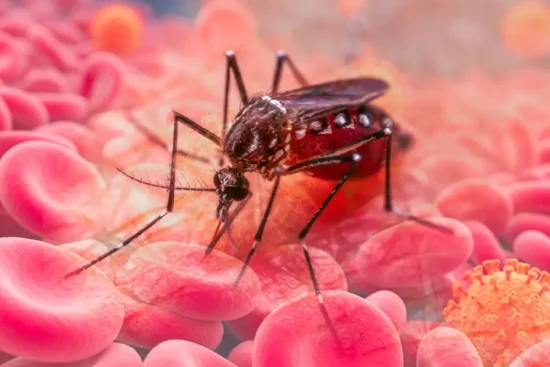
Dengue is arguably the most feared of all summer diseases in Bangalore. The Aedes aegypti mosquito, which breeds in stagnant clean water found in flower pots, coolers, and construction pits, thrives in Bangalore’s pre-monsoon conditions. Areas like Banashankari, JP Nagar, Sarjapur Road, and Bellandur — with significant construction activity and uneven terrain — report high dengue incidence annually.
The BBMP conducts periodic fumigation, but residents must also take individual precautions. Dengue can progress to severe dengue (dengue haemorrhagic fever), which can be fatal without prompt medical attention.
- Sudden high fever (104°F) with severe headache
- Pain behind the eyes (retro-orbital pain)
- Severe joint and muscle pain (“breakbone fever”)
- Skin rash appearing 2–5 days after fever onset
- Bleeding gums, nosebleeds, or blood in urine/stool
- Rapid drop in platelet count — seek emergency care immediately
Gastroenteritis (Food Poisoning)
Gastroenteritis is a consistently common summer disease in Bangalore, affecting thousands of residents every year. Hot weather accelerates bacterial growth in food, making improperly stored meals — especially at roadside dhabas near Hosur Road, Old Madras Road, and Tumkur Road — dangerous to consume.
Tech park employees in Manyata Tech Park, Bagmane Tech Park, and RMZ Infinity often face outbreaks when cafeteria hygiene standards drop during summer. Dehydration from gastroenteritis can become severe, especially in children and the elderly.
- Sudden onset of nausea, vomiting, and diarrhoea
- Abdominal cramps and bloating
- Signs of dehydration: dry mouth, dark urine, dizziness
- Fever above 101°F accompanying stomach symptoms
- Blood or mucus in stool — seek immediate medical care
Chickenpox (Varicella)
Chickenpox sees a notable seasonal surge, making it a recurring summer disease in Bangalore, particularly among school-going children in localities like Malleshwaram, Basavanagudi, and Vijayanagar. The varicella-zoster virus spreads rapidly in schools, apartments, and community gatherings during warm months.
Parents in residential layouts near Kengeri, Nagarbhavi, and Rajarajeshwari Nagar should be particularly alert during March–May, as school outbreaks can affect entire classrooms. Adults who haven’t received the varicella vaccine are also at risk of severe complications.
- Itchy, blister-like rash spreading across body
- Mild fever and fatigue before the rash appears
- Loss of appetite and general malaise
- Secondary bacterial infection of broken blisters
- Confusion or stiff neck — may indicate complications like encephalitis
Conjunctivitis (Eye Flu)
Conjunctivitis, or “eye flu,” is a highly contagious summer disease in Bangalore that spreads through direct contact, shared towels, and touching eyes with unwashed hands. During summer, cases surge in densely populated areas like Shivajinagar, Chickpet, and Frazer Town. Schools, offices, and public buses in Bangalore become hotspots for transmission.
The condition is especially prevalent near Russell Market, Commercial Street, and other crowded shopping areas where people gather in close quarters. While rarely dangerous, untreated bacterial or viral conjunctivitis can lead to corneal damage.
- Redness and swelling of the white part of the eye
- Watery or thick discharge from one or both eyes
- Sensitivity to light (photophobia)
- Itching, burning sensation, or crusting on eyelids
- Blurred vision — requires urgent ophthalmological consultation
Urinary Tract Infections (UTI)
UTIs rank among the most underreported yet widespread summer diseases in Bangalore. Dehydration — common during Bangalore’s summer — concentrates urine and allows bacteria to multiply in the urinary tract. Women, pregnant mothers, and elderly residents in areas like Jayanagar, JP Nagar, and Koramangala are particularly susceptible.
The long commutes on Bangalore’s busy roads — NICE Road, ORR (Outer Ring Road), and Mysore Road — often discourage people from drinking adequate water, further increasing risk. UTIs, if untreated, can progress to kidney infections with serious complications.
- Burning sensation or pain during urination
- Frequent urge to urinate with little output
- Cloudy, dark, or foul-smelling urine
- Pelvic pressure or lower abdominal discomfort
- Fever, chills, and back pain — signs of kidney infection
How to Prevent Summer Diseases in Bangalore

Preventing summer diseases in Bangalore requires a combination of personal hygiene, dietary caution, and environmental measures. Here are the most effective steps Bangalore residents can take this summer:
Stay Hydrated
Drink at least 3–4 litres of boiled or filtered water daily. Avoid roadside juices.
Maintain Hygiene
Wash hands with soap before every meal and after using public restrooms.
Use Mosquito Repellent
Apply DEET-based repellent and use nets — especially in areas near lakes like Bellandur or Ulsoor.
Eat Fresh Food
Avoid pre-cut fruits or stored food. Prefer freshly cooked meals from hygienic sources.
Get Vaccinated
Vaccines for typhoid, hepatitis A, and chickenpox are available at Bangalore hospitals and BBMP centres.
Protect from Heat
Wear light cotton clothing, carry an umbrella, and avoid peak sun hours (11 AM – 3 PM).
Where to Get Treated Near You in Bangalore
If you suspect any summer diseases in Bangalore, visit a nearby BBMP health centre or reputed hospital. Major hospitals treating summer illnesses include Manipal Hospitals (Whitefield, HAL), Fortis Hospital (Cunningham Road, Bannerghatta Road), Apollo Hospitals (Bannerghatta Road, Jayanagar), Narayana Health (Electronic City), and Victoria Government Hospital (City centre). Many clinics in Sarjapur, Anekal, Doddaballapur, and Nelamangala also offer affordable treatment for local residents.
Related Health Articles You May Find Useful
- Complete Guide to Dengue Treatment in Bangalore
- Best Diet Plan for Typhoid Patients in Bangalore
- Summer Hydration Tips for Bangalore’s Hot Months
- Protecting Your Children from Summer Illnesses in Bangalore
- UTI Treatment Options Near You in Bangalore
- Mosquito-Borne Diseases in Karnataka – Prevention Guide
Frequently Asked Questions (FAQs)
Don’t Wait for Symptoms to Worsen
If you or a family member is experiencing any of the warning signs mentioned above, consult a qualified doctor in Bangalore today. Early diagnosis saves lives — especially for dengue and typhoid. Book an appointment or walk into the nearest clinic near you.
Available in Whitefield · Koramangala · Jayanagar · Electronic City · Hebbal · Yelahanka · BTM Layout








Leave a Reply